South Africa Freedom Day Details April 2026
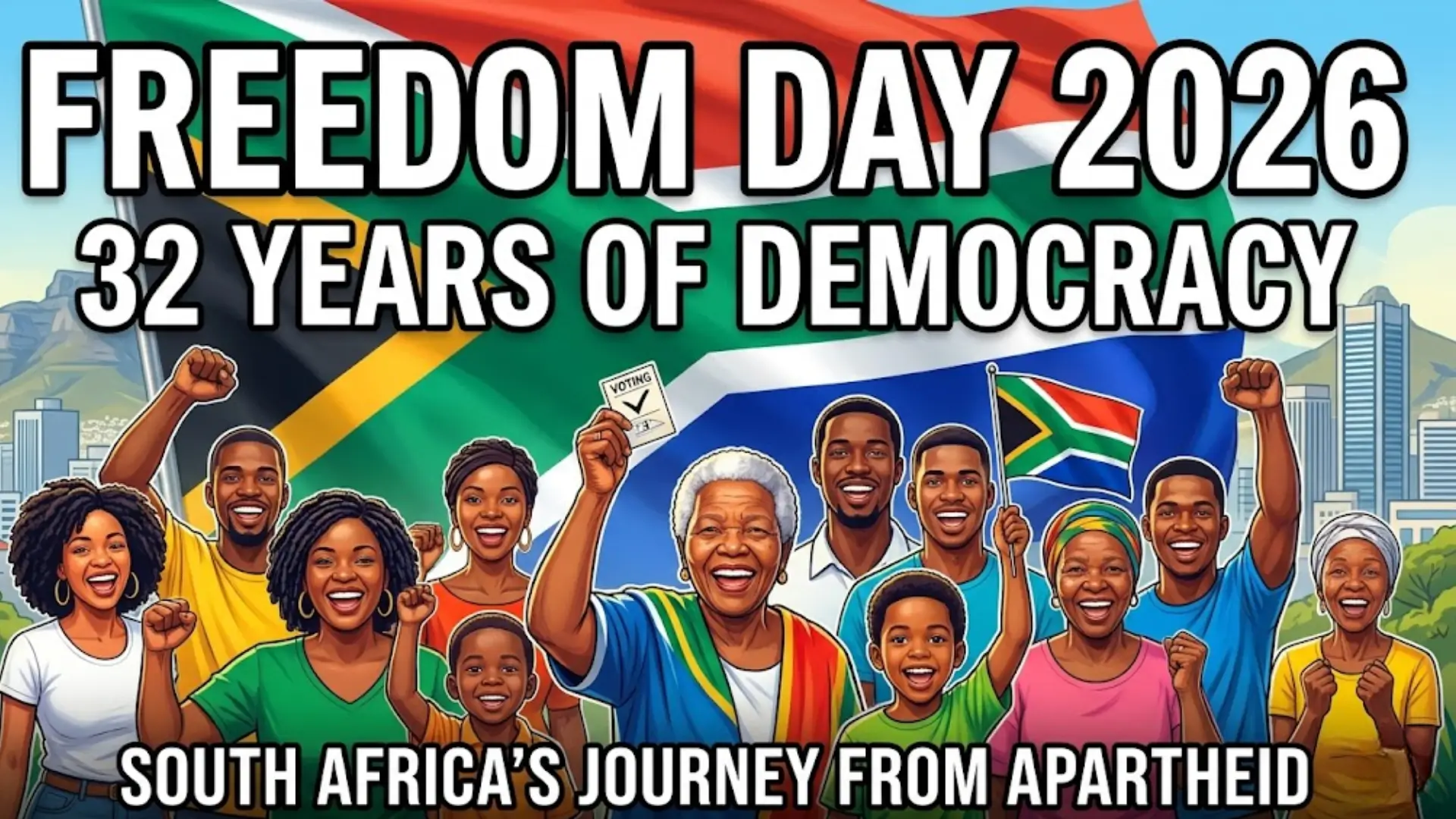
Freedom Day, celebrated every year on 27 April, is one of the most important national days in South Africa. It marks the country’s first democratic elections in 1994, when people of all races were finally allowed to vote. This historic moment ended the apartheid system and opened the path to a free and equal society.

In April 2026, Freedom Day carries even deeper meaning as the country reflects on over three decades of democracy. It is not just about remembering the past, but also about understanding the present and shaping the future. The day encourages unity, resilience, and a shared commitment to democratic values.
Historical Background: From Apartheid to Democracy
Apartheid was a system of racial segregation that denied basic human rights to the majority of South Africans. Millions of people were excluded from political participation, economic opportunities, and social equality.
The transition to democracy in 1994 changed the nation forever. It was achieved through dialogue, negotiation, and strong leadership, proving that peaceful solutions can overcome even the deepest divisions.
Key historical points:
- Apartheid enforced racial segregation and inequality
- Black South Africans were denied voting rights and freedoms
- The 1994 elections marked the first inclusive democratic process
- A new constitution was adopted in 1996 to protect rights and equality
This transformation remains a powerful example for the world.
You can also read: Special Investigating Unit Fraud in R85 million
Meaning and Importance of Freedom Day Today
Freedom Day is more than a celebration it is a reminder of responsibility. It highlights the importance of protecting democracy, promoting equality, and ensuring justice for all citizens.
In 2026, the theme focuses on unity and resilience. It reflects how far South Africa has come and the challenges that still need to be addressed.
Why Freedom Day matters:
- Honors the sacrifices made for liberation
- Promotes national unity and social cohesion
- Encourages citizens to uphold democratic values
- Inspires future generations to protect freedom
The day invites reflection on both achievements and ongoing struggles.
Progress Since 1994: Achievements and Development
Since the end of apartheid, South Africa has made significant progress in improving the lives of its people. Access to basic services and opportunities has expanded, although challenges remain.
The government has worked to rebuild the economy, strengthen institutions, and improve living standards across the country.
Major Areas of Progress
| Sector | Progress Achieved | Ongoing Challenges |
|---|---|---|
| Housing | Millions gained access to homes | Housing shortages remain |
| Education | Improved access to schools | Quality gaps still exist |
| Healthcare | Expanded services and policies | Inequality in access |
| Economy | Stabilization and investment growth | Unemployment and poverty |
Key improvements include:
- Increased access to electricity and clean water
- Expansion of social services and welfare programs
- Growth in infrastructure and public investment
Despite these achievements, inequality and unemployment continue to be major concerns.
South Africa’s Constitution and Democratic Values
The Constitution, adopted in 1996, is the foundation of South Africa’s democracy. It guarantees human rights, equality, and the rule of law for all citizens.
It reflects the ideals of freedom, dignity, and justice that emerged from the struggle against apartheid.
Core principles of the Constitution:
- Equality before the law
- Protection of human rights
- Freedom of expression and movement
- Non-racialism and non-sexism
The Constitution remains a guiding force in shaping policies and governance.
You can also read: Assassin Creed Black Flag Resynced Release Date
Global Role and Commitment to Justice
South Africa’s history has influenced its role on the global stage. The country actively supports international law, human rights, and peaceful conflict resolution.
Its foreign policy reflects a commitment to justice and solidarity, shaped by its own experience of overcoming oppression.
Global contributions include:
- Advocacy for human rights and equality
- Support for international legal frameworks
- Promotion of peace and diplomacy
- Participation in global partnerships and alliances
South Africa’s voice continues to carry moral weight in international affairs.
South Africa and Qatar: Strengthening Bilateral Relations
The relationship between South Africa and Qatar has grown steadily over the years. It is based on mutual respect, economic cooperation, and shared values.
This partnership highlights how international collaboration can support development and stability.
Key areas of cooperation:
- Energy and industrial partnerships
- Trade in agriculture, manufacturing, and chemicals
- Diplomatic engagement and high-level visits
- Collaboration in global and regional issues
These relations contribute to economic growth and global connectivity.
Current Challenges and Future Outlook
While progress has been made, South Africa continues to face several challenges. These include economic inequality, unemployment, and social issues.
However, recent developments show signs of improvement and renewed commitment to growth.
Current focus areas:
- Job creation and economic recovery
- Combating crime and corruption
- Improving education and healthcare systems
- Strengthening social unity and inclusion
The future depends on collective efforts and sustained reforms.
You can also read:
Role of South Africans Abroad
South Africans living abroad play an important role in representing their country. Their contributions help build international relationships and promote a positive image globally.
In countries like Qatar, South Africans contribute to various sectors, including education, business, and technology.
Their impact includes:
- Strengthening cultural and economic ties
- Sharing skills and expertise
- Promoting South African values globally
- Supporting international cooperation
They serve as ambassadors of resilience and progress.
Conclusion
Freedom Day in April 2026 is both a celebration and a call to action. It reminds South Africans of their journey from oppression to democracy and the responsibility to protect these achievements.
You can also read: Sassa E-Life Certification Requirement
The spirit of freedom must be nurtured through unity, respect, and continuous effort. By working together, South Africans can build a future that reflects the ideals of equality and justice for all.
