South Africa Diesel Fuel Adulteration Check New Full Details
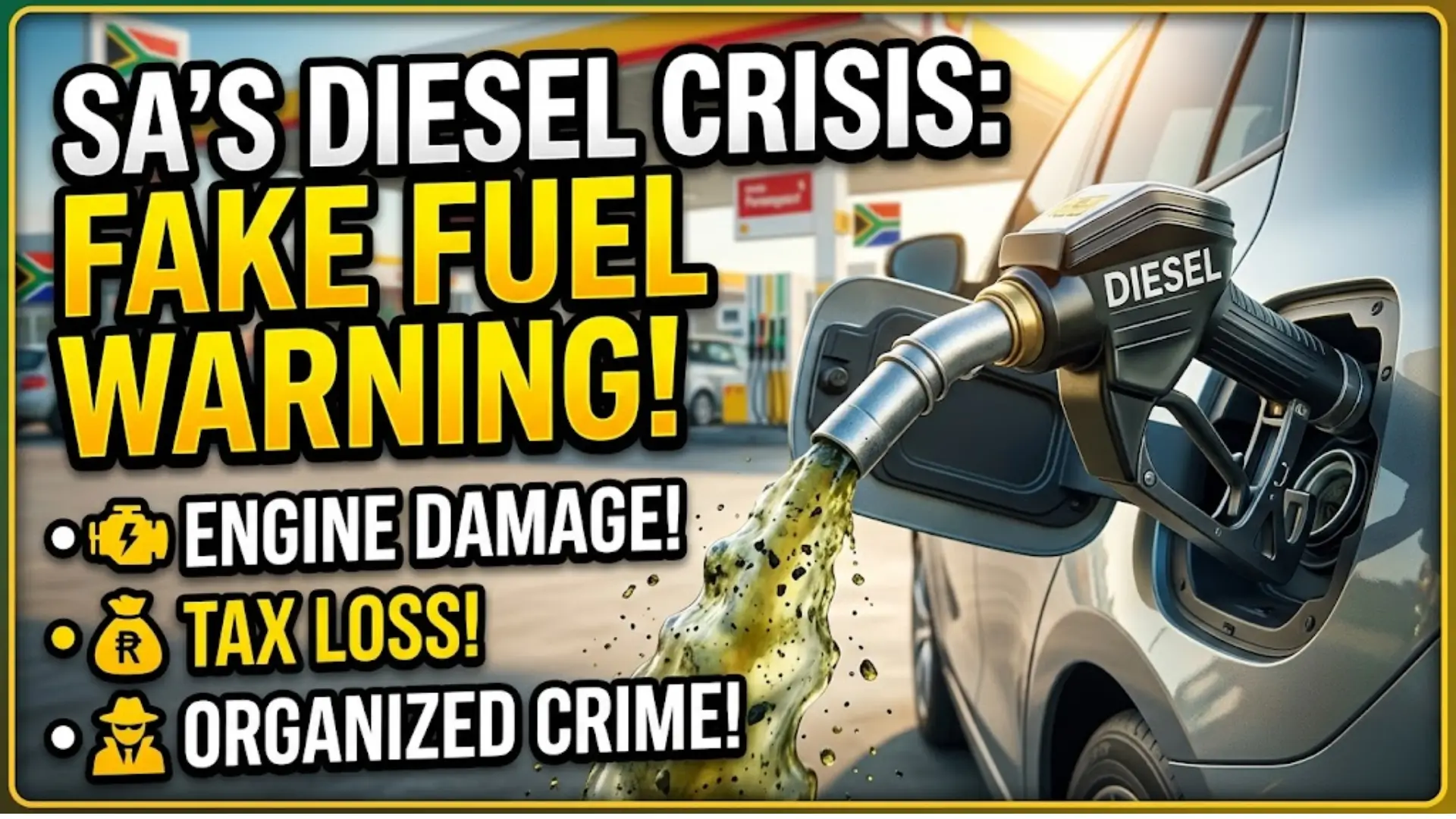
South Africa is facing a serious challenge as diesel fuel adulteration spreads rapidly across multiple provinces. What was once considered a small-scale illegal activity has now evolved into a large and organized underground network. Reports indicate that over 100 suspected illegal fuel depots are currently operating, particularly in regions like Gauteng, Mpumalanga, and Limpopo.
This issue is not only affecting the fuel industry but also harming the economy, consumers, and regulatory systems. The blending of diesel with cheaper substances such as paraffin is becoming more sophisticated, making it harder for authorities to detect and control. As fuel prices continue to rise, the incentives for illegal activities are also increasing, creating a complex problem that requires urgent attention.
What is Diesel Fuel Adulteration and How It Works
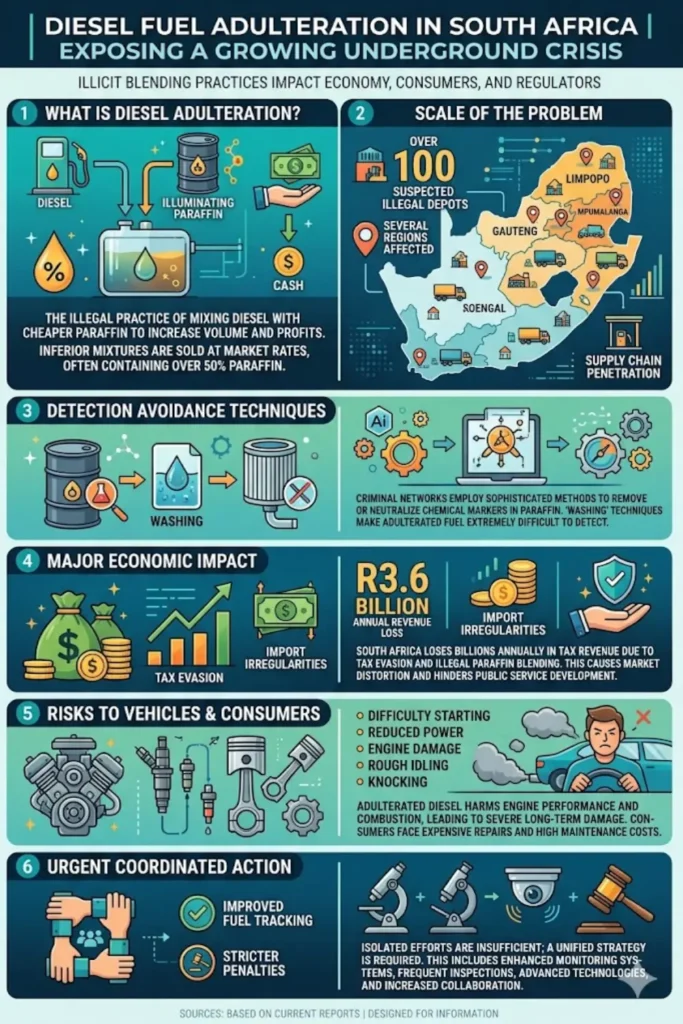
Diesel adulteration refers to the illegal practice of mixing diesel with other cheaper substances to increase volume and profits. In South Africa, the most common method involves blending diesel with illuminating paraffin, which is widely available and significantly cheaper because it is exempt from VAT.
This illegal blending allows suppliers to sell fuel at competitive prices while earning higher profits. In many cases, investigations have found fuel mixtures containing more than 50% paraffin, which drastically reduces fuel quality.
Key aspects of how this process works include:
- Paraffin is purchased at a lower cost due to tax exemptions
- It is mixed with diesel in storage tanks or depots
- The final product is sold as regular diesel at market rates
- Consumers often cannot detect the difference visually
This method creates a major loophole in the fuel supply chain, allowing illegal operators to thrive while legitimate businesses suffer.
You can also read; Nsfas Login Portal Status Check
Scale of the Problem Across Provinces
The extent of diesel adulteration in South Africa is alarming. Authorities have identified more than 100 suspected illegal depots, showing that the problem is widespread and organized. It is no longer limited to isolated incidents but has become a nationwide concern.
Between April and December 2023, around 70 service stations were found selling adulterated diesel. These findings highlight how deeply the issue has penetrated the fuel distribution network.
Major affected regions include:
- Gauteng
- Mpumalanga
- Limpopo
Additional concerning trends include:
- Expansion of illegal storage and blending facilities
- Increased distribution through legitimate-looking service stations
- Growing involvement of organized criminal networks
This scale makes enforcement extremely difficult and requires coordinated national efforts.
Sophisticated Techniques Used to Avoid Detection
One of the biggest challenges authorities face is the advanced techniques used by illegal operators to avoid detection. Normally, paraffin contains a chemical marker known as the A1 marker, which helps regulators identify tax-exempt fuel.
However, criminals have developed methods to remove or neutralize these markers through a process known as “washing.” Once the marker is removed, it becomes extremely difficult to distinguish between pure diesel and adulterated fuel.
Limitations in current detection systems include:
- Ability to detect markers but not full chemical composition
- Difficulty tracing fuel once it enters the supply chain
- Lack of real-time monitoring tools
As a result, even when authorities conduct inspections, adulterated fuel often passes undetected, allowing illegal activities to continue.
Economic Impact and Government Revenue Loss
Diesel adulteration is causing significant financial damage to South Africa’s economy. The government is losing billions in tax revenue because paraffin does not carry the same levies as diesel.
Below is a summary of the economic impact:
| Impact Area | Details |
|---|---|
| Annual Revenue Loss | Approximately R3.6 billion |
| Main Cause | Tax evasion through paraffin blending |
| Import Irregularities | Declared 40,000L vs actual 60,000L shipments |
| Market Distortion | Unfair competition for legal suppliers |
These losses affect public services, infrastructure development, and overall economic stability. The illegal fuel trade also undermines trust in the regulatory system.
Law Enforcement Actions and Challenges
Authorities have taken several steps to combat fuel adulteration, including raids, investigations, and arrests. A major operation in June 2025 led to the seizure of 2 million litres of adulterated fuel, showing that enforcement efforts are active.
However, the problem persists due to several challenges:
- Limited resources for nationwide monitoring
- Sophisticated criminal methods
- Weak supply chain tracking systems
- Corruption and lack of coordination
Despite ongoing efforts, enforcement agencies struggle to keep up with the rapid expansion of illegal operations.
You can also read; SRD SASSA Payment Dates January 2027
Rising Diesel Prices Driving Illegal Activities
One of the main factors fueling diesel adulteration is the sharp increase in fuel prices. As diesel becomes more expensive, the profit margin for illegal blending increases significantly.
In April 2026 alone:
- Diesel prices rose by R7.51 per litre
- A further increase of R6.61 per litre is expected
- Government relief measures reduced levies by R3.06
Even with these interventions, diesel remains costly, encouraging illegal operators to continue adulteration practices. High prices create strong incentives for both suppliers and buyers to engage in or tolerate fuel tampering.
Risks to Consumers and Vehicle Performance
Adulterated diesel poses serious risks to vehicle owners and businesses. The presence of paraffin affects combustion and lubrication, leading to long-term engine damage.
Common problems faced by consumers include:
- Difficulty starting the engine
- Reduced engine power
- Increased fuel consumption
- Unusual engine noise
- Rough idling and smoke emissions
Over time, these issues can damage critical engine components such as:
- Fuel injectors
- Pistons
- Cylinders
Repair costs can be high, making adulterated fuel a costly risk for unsuspecting consumers.
Key Warning Signs of Adulterated Diesel
Consumers often struggle to identify contaminated fuel, but certain warning signs can help detect potential issues early.
Important indicators include:
- Sudden drop in vehicle performance
- Increased exhaust smoke
- Engine knocking sounds
- Frequent maintenance issues
- Lower mileage than usual
Being aware of these signs can help drivers take quick action and avoid severe engine damage.
Need for Stronger and Coordinated Action
Experts agree that isolated efforts are not enough to solve this growing crisis. A coordinated approach involving multiple stakeholders is essential to effectively combat diesel adulteration.
Recommended actions include:
- Improved fuel tracking systems
- Stronger enforcement and inspections
- Collaboration between government and industry
- Advanced testing technologies
- Strict penalties for offenders
Without a unified strategy, illegal fuel networks will continue to expand, causing further economic and consumer damage.
Conclusion
Diesel fuel adulteration in South Africa has become a major national issue that affects the economy, consumers, and regulatory systems. The combination of rising fuel prices, weak enforcement, and sophisticated criminal techniques has allowed this problem to grow rapidly.
You can also read; Special Investigating Unit Fraud in R85 million
Addressing this crisis requires immediate and coordinated action from all stakeholders. Strengthening regulations, improving detection methods, and raising public awareness are critical steps toward protecting both the economy and consumers.

