After submitting your NSFAS application, the most important next step is to regularly check your NSFAS status. Your funding result does not appear immediately because NSFAS follows a multi-step verification process before making a final decision.
For the 2026 academic year, NSFAS reviews each application by verifying academic records, confirming household income through government databases, and checking registration details with universities or TVET colleges. register SIM card TM Because this process takes time, applicants are encouraged to track their status frequently to stay informed about any updates or required actions.
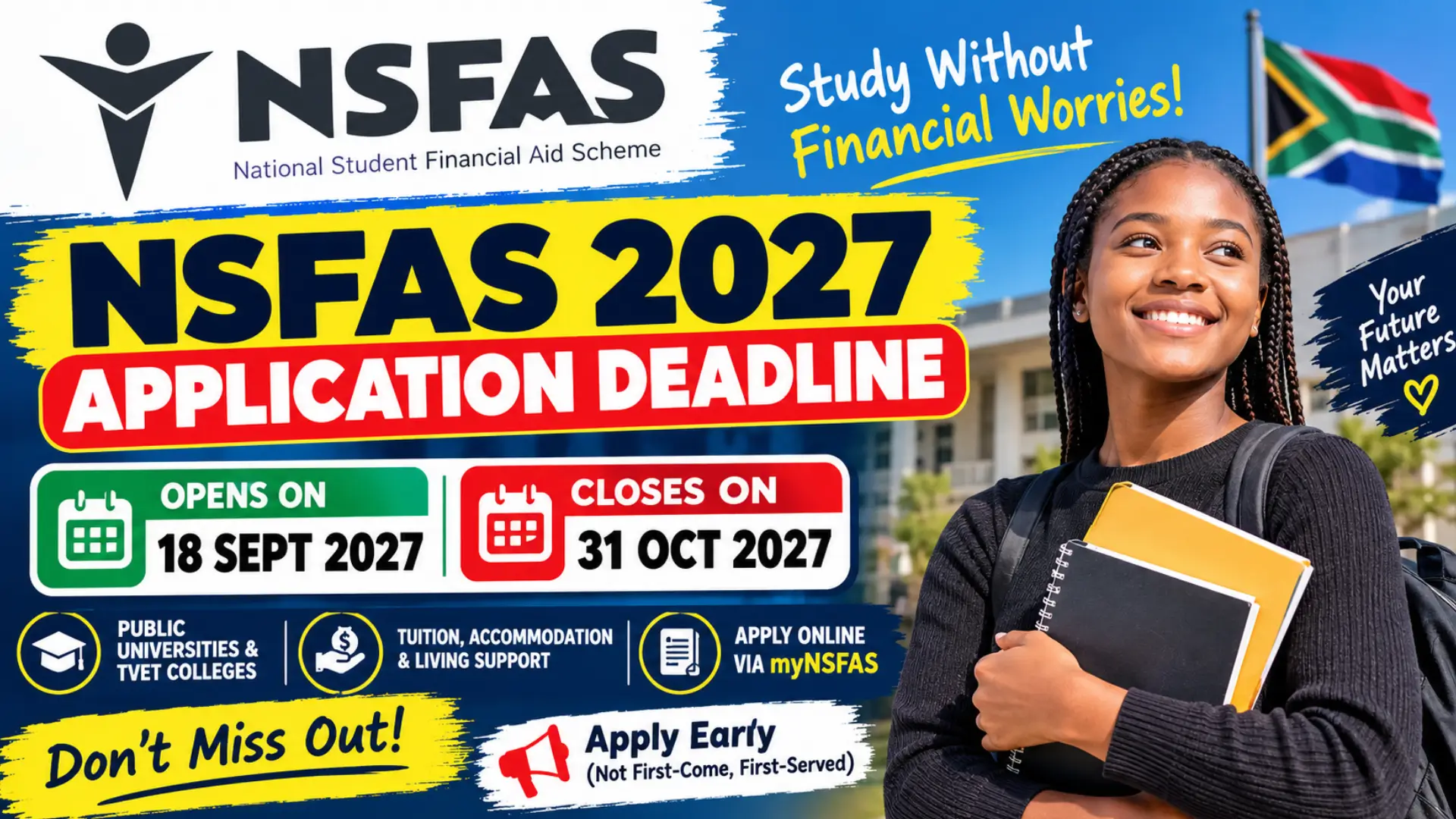
If you are planning to study at a public university or TVET College in South Africa in 2027 and need financial assistance, the NSFAS application deadline is one of the most important dates to know. The National Student Financial Aid Scheme (NSFAS) provides financial support to eligible students who cannot afford the cost of higher…
Continue Reading NSFAS 2027 Application Deadline: Latest Dates, Requirements & Online Guide
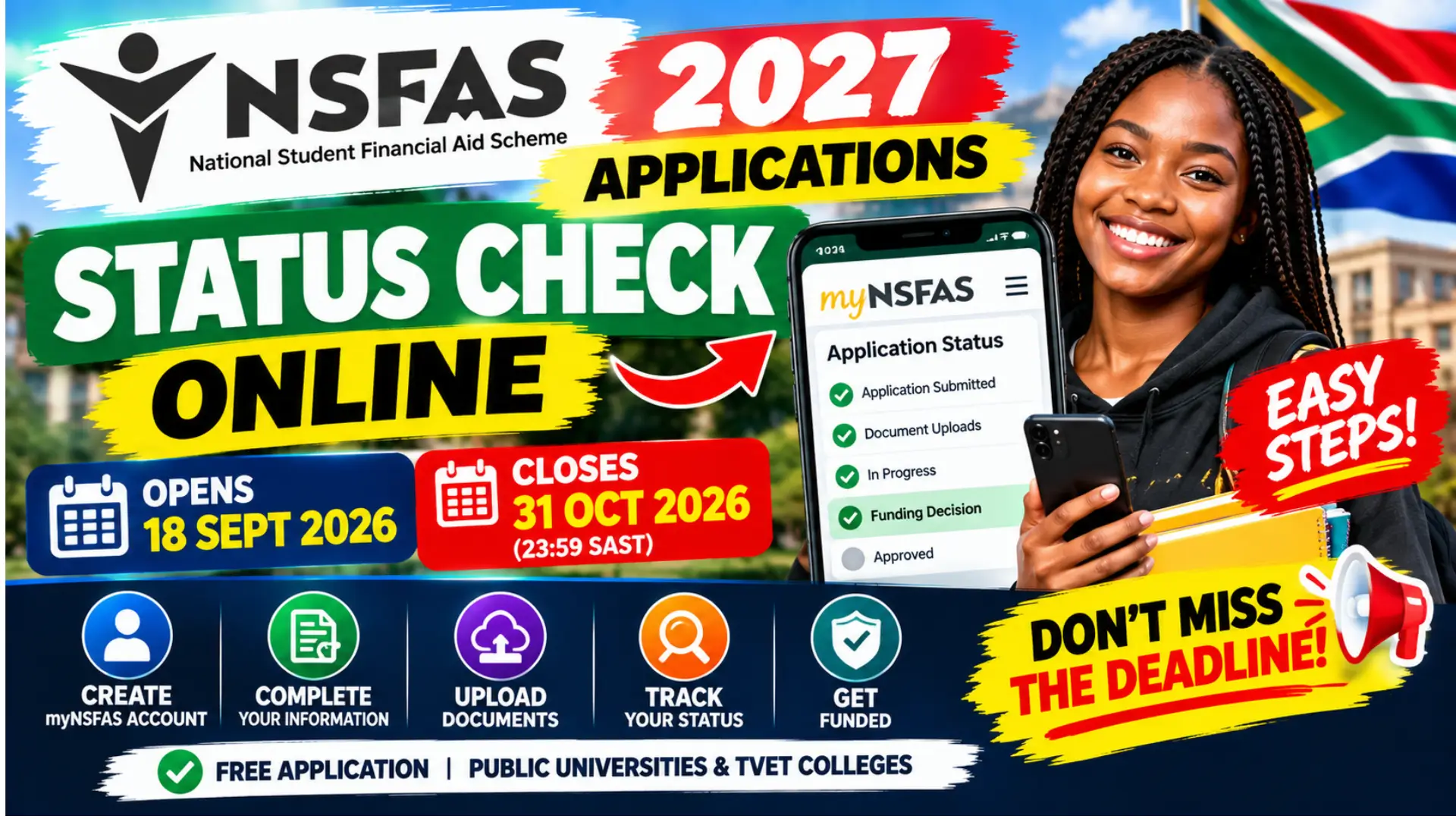
If you have applied for NSFAS funding or are planning to apply for the 2027 academic year, checking your application status online is an important step. The myNSFAS portal allows students to submit applications, upload supporting documents, track funding progress, and respond to requests from NSFAS. For the 2027 NSFAS application cycle, applications opened on…
Continue Reading NSFAS Status Check Online: New Registration Start Date & Deadline Date Update

If you receive the SASSA R370 SRD grant, checking your payment status regularly can help you know whether your application has been approved, whether a payment date has been issued, or whether SASSA still needs to complete verification. sassa status check The easiest option for most beneficiaries is to use the official SRD online portal…
Continue Reading SASSA R370 Balance Check Online Via Easy Mehtod

South Africa’s fuel market is heading into October 2026 with a major price increase on the cards. The latest Central Energy Fund (CEF) data shows a large fuel under-recovery, meaning the current regulated prices are below the level suggested by international fuel costs and other pricing factors. At the start of October, the estimated under-recovery…
Continue Reading How to Check South Africa Fuel Under-Recovery Update 2026
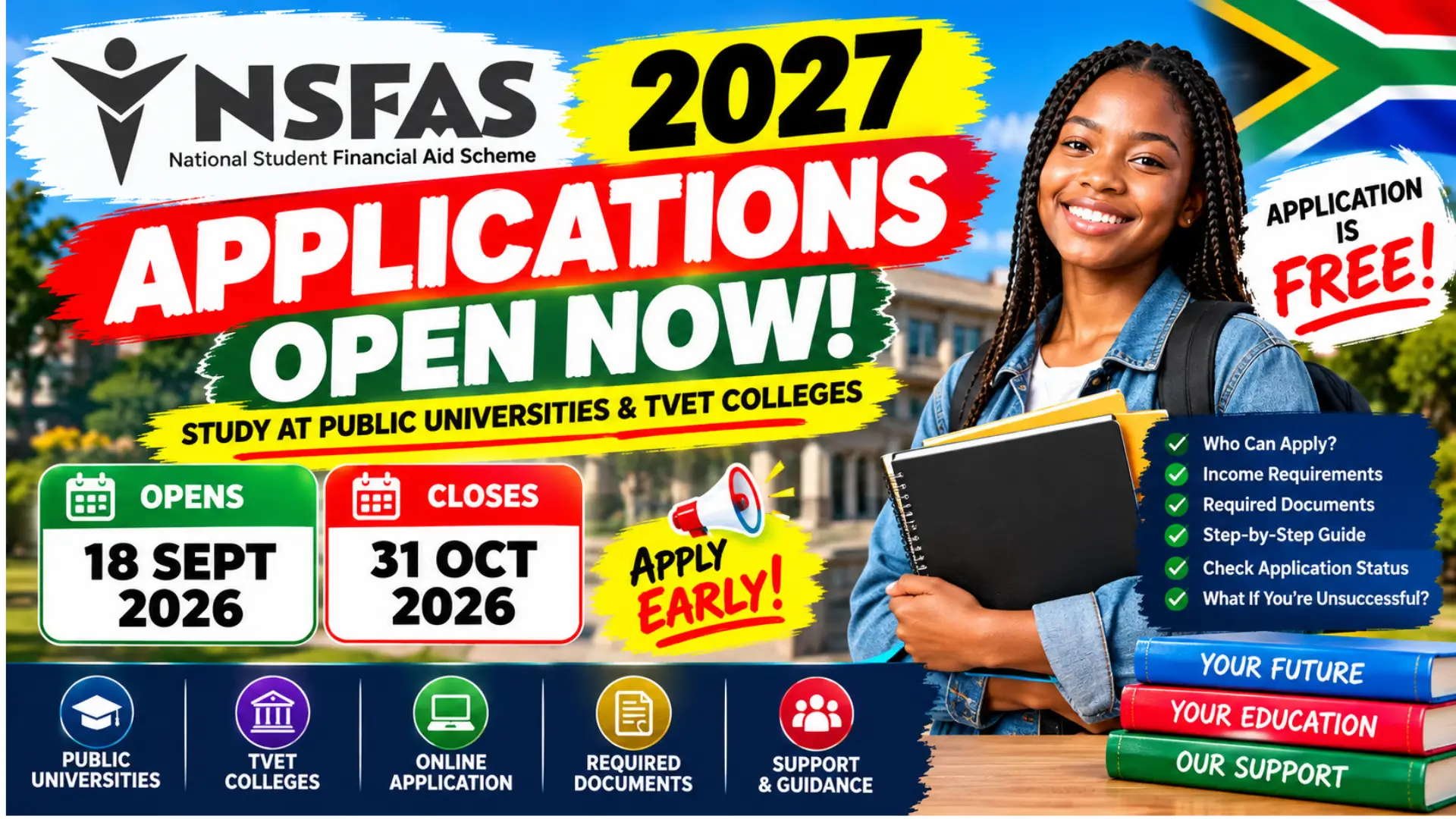
NSFAS 2027 applications are now open for students planning to study at public universities and TVET colleges in South Africa. The application period opened on 18 September 2026, and the current official NSFAS deadline is 31 October 2026. NSFAS has also advised students to apply early rather than waiting until the final days. The application…
Continue Reading NSFAS 2027 Applications Open: Check How to Apply Online and Deadline
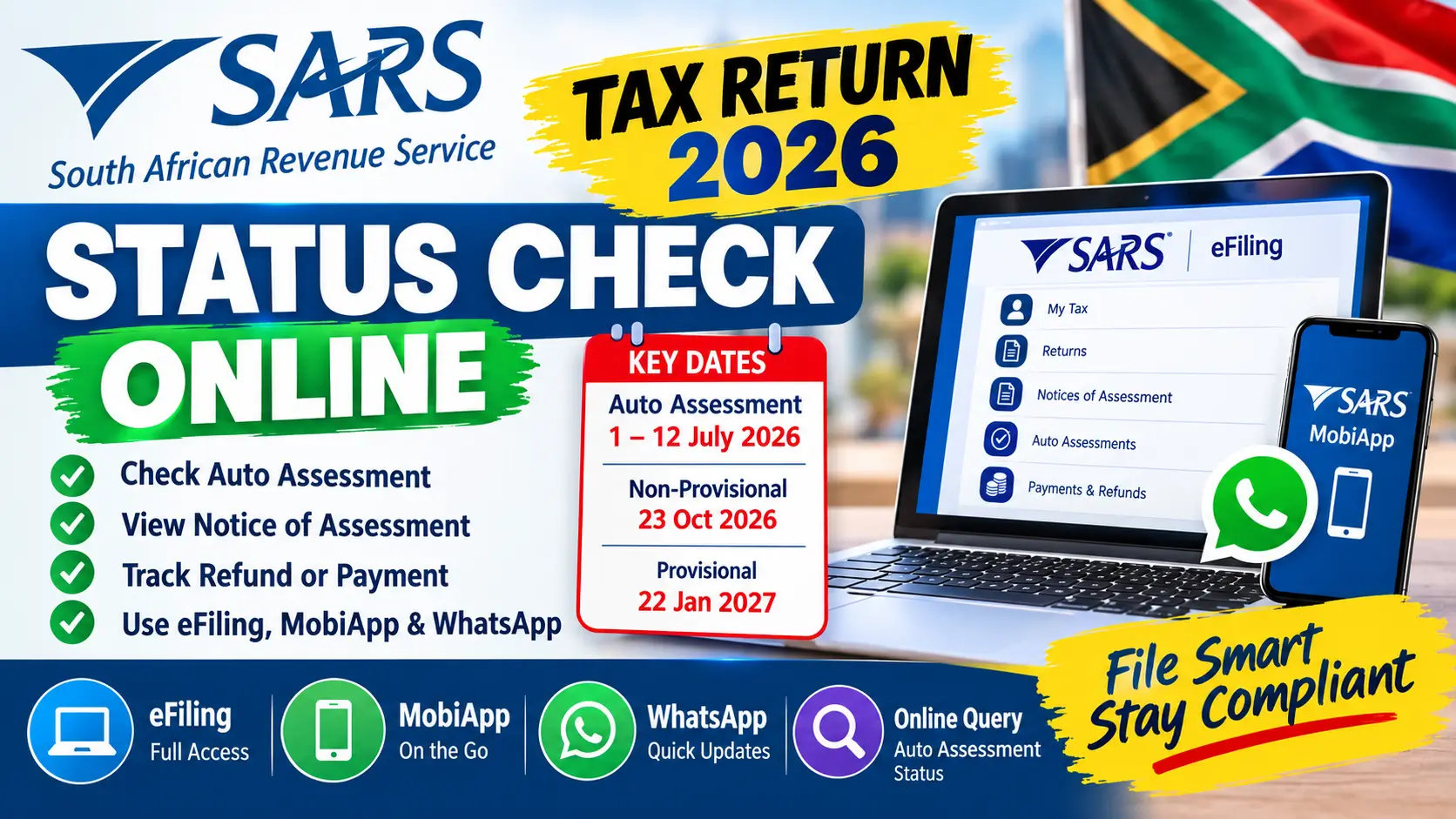
The SARS Tax Return 2026 Status Check Online process is easier than ever because taxpayers can use several digital channels to check their tax information, Auto Assessment status, Notice of Assessment and other filing updates. SARS has expanded its online services for Filing Season 2026, including improved eFiling features, the SARS MobiApp and WhatsApp services.…
Continue Reading Sars Tax Return 2026 Status Check Online Via Easy Method
When you perform a NSFAS status check, you may see different progress messages such as “Application Submitted,” “Filtering,” “Validation,” “Provisionally Funded,” “Funding Eligible,” or “Payments Processing.” Each status reflects a specific stage of your application, from initial submission to final funding and allowance disbursement.
NSFAS Status Check Methods for 2026
There are several reliable ways to track your NSFAS application for 2026. All methods work on mobile phones, laptops, and desktop computers with an internet connection.
How to Check NSFAS Status Online (2026)
The official NSFAS website remains the fastest and most secure way to check your application status.
Steps:
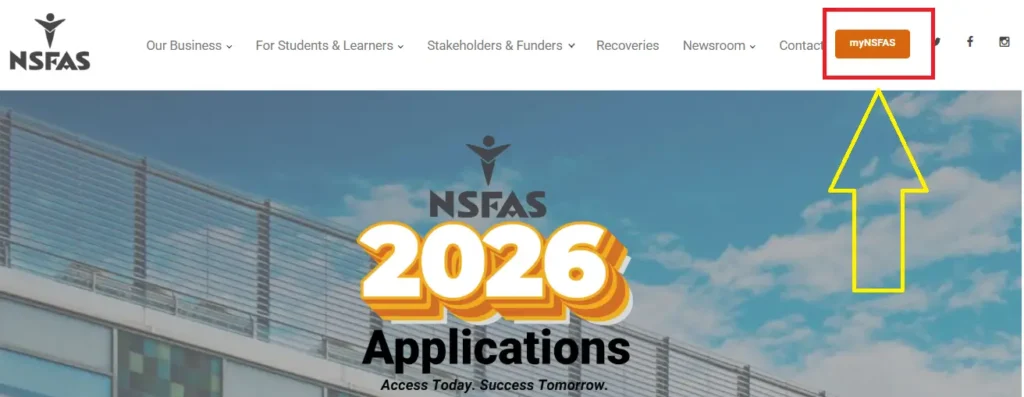
- Visit the official NSFAS website at www.nsfas.org.za
- Click on “myNSFAS” at the top of the page
- Log in using your South African ID number or registered email address and password
- Open your dashboard and select “Application Status”
- Your current NSFAS status will be displayed
This method is recommended for applicants who already have a registered myNSFAS account.
NSFAS Status Check Using ID Number (2026)
Applicants can also check their NSFAS status using their South African ID number, which is especially helpful if email access is unavailable.
Steps:
- Go to www.nsfas.org.za
- Click “myNSFAS”
- Log in using your ID number and password
- Select “Application Status”
- View your funding progress
Make sure the ID number entered matches the one used during the application, otherwise access may be denied.
NSFAS Status Check Using Reference Number
If you no longer have access to your login details, NSFAS allows status tracking using your application reference number. This number is issued after successful submission of your application.
Steps:
- Access the NSFAS portal
- Open your myNSFAS account (or register if required)
- Navigate to “My Applications”
- Choose “Check Status”
- Enter your NSFAS reference number and submit
Your application status may show updates such as “Awaiting Academic Results,” “Approved,” or “Funding Confirmed.”
Important 2026 Update
For 2026, NSFAS continues to improve its digital verification system. Applicants may be required to:
- Update missing documents online
- Confirm personal details
- Ensure college or university registration is completed on time
Failure to complete these steps may delay funding or payments.
NSFAS Status Check via WhatsApp (2026)
NSFAS provides an official WhatsApp service that allows students to track their application status anytime, even at night.
Steps to Check NSFAS Status on WhatsApp:
- Save the official NSFAS WhatsApp number: 078 519 8006
- Open WhatsApp and send “Hi”
- Choose the option for Application Status from the menu
- Enter your South African ID number or NSFAS reference number
- NSFAS will reply with your current 2026 application status
Why Use WhatsApp?
- Fast and easy to use
- Works without internet on some networks
- Available 24/7
- Ideal for students in remote areas
NSFAS Status Check via USSD (SMS Code)
NSFAS also offers a USSD service that works on all mobile phones, including basic feature phones.
How to Check NSFAS Status Using USSD:
- Dial *120*67327# on your phone
- Follow the on-screen instructions
- Enter your ID number or reference number
- You will receive an SMS with your NSFAS status
Benefits of USSD:
- No internet or data required
- Works on all phones
- Simple and quick process
Note: The USSD system may sometimes be slow or temporarily offline. If this happens, try WhatsApp or the online portal.
Create a myNSFAS Account for Online Status Checks (2026)
To check your NSFAS status online, you must first create a myNSFAS account. This is the official portal where NSFAS shares all updates, including application progress, funding decisions, and payment notifications.
Steps to Create a myNSFAS Account:
- Visit the official NSFAS website
- Click on “myNSFAS”
- Select Register
- Enter your ID number, full name, and email address
- Create a strong password
- Confirm your account via SMS or email
- Log in and select Application Status
Why a myNSFAS Account Is Important:
- Required for online status checks in 2026
- Shows funding approval or rejection
- Displays payment and allowance updates
- Links all NSFAS records to one profile
NSFAS Status Check Meaning in 2026
When you check your NSFAS status for the 2026 academic year, your myNSFAS dashboard will show one of several messages. These statuses each represent a specific step in the funding review process. Understanding what each one means helps you know where your application stands and what comes next so you don’t miss important deadlines or actions.
What Each NSFAS Status Means
| NSFAS Status | What It Means | Next Step or What You Should Do |
| Application Submitted | Your application was received by NSFAS successfully and is now in the queue for processing. | Nothing yet — just wait and check again. |
| Filtering | NSFAS is checking basic information and ensuring you are a first‑time or returning applicant and that you meet initial requirements. | No action required at this stage. |
| Validation | NSFAS is verifying your ID, household income, and any grant info with official records (e.g., SASSA). | Make sure your documents are correct and reachable. |
| Evaluation | NSFAS is reviewing all your academic and financial documents to confirm eligibility. | Wait for further updates. |
| Funding Eligibility | NSFAS is checking if you meet all criteria for funding, including income and academic requirements. | Ensure you upload any requested documents quickly. |
| Awaiting Academic Results | NSFAS is waiting for your school or college to send your exam results or academic data. | Contact your institution to confirm results submission if it’s taking long. |
| Awaiting Registration | NSFAS is waiting for your university or TVET to confirm your official registration for the year. | Check with your college/university financial aid office so they send your registration details. |
| Provisionally Funded | You are likely approved, but NSFAS still needs a few final checks like registration confirmation or final documents. | Complete any requested steps (e.g., sign bursary agreement, submit registration). |
| Approved for Funding | Your application is fully approved. NSFAS will pay your fees and allowances based on your course. | No further action is needed — just monitor payments. |
| Payments | NSFAS has started releasing funds to your institution or your NSFAS wallet (for allowances). | Track your payments and ensure your bank details are correct. |
| Unsuccessful / Rejected | Your application was not approved. You can appeal if you think the decision is wrong. | Submit an appeal within the allowed window (about 30 days). |
This shows the most common status messages you’ll see during 2026 and broadly what they mean from submission to funding or rejection.
What Happens If Your NSFAS Status Says “Unsuccessful”?
If your status changes to Unsuccessful or Rejected, it means NSFAS did not approve your funding at that time. This doesn’t always mean the end of NSFAS gives students a chance to appeal if you believe you still qualify or if there was a documentation error. To appeal a rejection:
- Log into your myNSFAS account at www.nsfas.org.za.
- Go to “Track Funding Progress”.
- If eligible to appeal, you’ll see a “Submit Appeal” option.
- Upload supporting documents (e.g., updated income proof, academic results, medical records if relevant).
- Click “Submit Appeal Form” and wait appeals are usually reviewed within a few weeks.
NSFAS typically gives about 30 days from the date of rejection to appeal, so act quickly if needed.
NSFAS 2026 Application Cycle Notes
- Applications for the 2026 academic year closed on 15 November 2025.
- NSFAS usually starts publishing application results on the myNSFAS portal from mid‑December 2025, so if you applied during the window, you should begin to see status updates around that time.
- In some cases (especially for TVET applicants or late applicants), NSFAS may open additional application periods later in the cycle announcements will be made on the official site or NSFAS WhatsApp line.
How NSFAS Processes Your Application
After submission, NSFAS works through a series of checks eligibility filtering, validation with income/identity records, academic evaluation, and finally funding decisions. Only when all checks are passed and the institution confirms your registration will you move to Approved for Funding and then Payments status.

NSFAS Funded Courses & Funding Guide for 2026 (Updated)
Before you check your NSFAS status, always make sure your course and institution qualify for NSFAS funding. If your status shows “Funding Ineligible” or “Unsuccessful,” often the issue is that the course or school you chose isn’t eligible for funding.
Which Institutions NSFAS Funds (2026)
NSFAS only provides financial aid for full‑time studies at public institutions in South Africa:
- All 26 public universities (e.g., UCT, UNISA, Wits, UJ, NWU).
50+ Public TVET (Technical and Vocational Education and Training) colleges. - NSFAS does NOT fund private colleges or private universities under any circumstances.
Courses NSFAS Typically Funds
1. University Qualifications (Undergraduate)
NSFAS supports standard undergraduate studies that lead to recognised qualifications:
- Bachelor’s degrees (BA, BSc, BCom, BEd, LLB, etc.)
- Diplomas and Advanced Diplomas
- Higher Certificates
- STEM courses (Engineering, IT, Science, Maths)
- Health sciences (e.g., Nursing, Laboratory Science)
- Humanities, Business, Education, Agriculture, and related fields
2. TVET College Programmes
NSFAS funds vocational training courses such as:
- NC(V) programmes (National Certificate Vocational)
- Report 191 (NATED) courses (e.g., N1–N6 for Business or Engineering)
- Hospitality, Tourism, IT, Office Administration, Agriculture and more
Courses NSFAS Does NotFund
NSFAS generally does NOT pay for:
- Private college courses
- Short non‑accredited courses or workshops
- Most postgraduate programmes (e.g., Honours, Master’s, PhD)
- Part‑time and second degrees in many cases
NSFAS Funding Benefits in 2026
Once your status shows “Approved for Funding”, NSFAS will pay the costs listed below — either directly to your institution or via allowances.
University Students What NSFAS Covers
| Expense | Covered By NSFAS |
| Tuition Fees | Fully covered |
| Registration Fees | Paid directly |
| Accommodation | On‑campus or approved housing (capped) |
| Transport Allowance | If you live far from campus |
| Living Allowance | Food and daily needs |
| Book/Learning Materials | Textbooks & tools |
Typical support includes book allowance, living and travel support capped annually. Latest figures show around R5,400+ for books and monthly living allowances, but exact amounts can vary.
TVET College Students What NSFAS Covers
| Expense | Covered By NSFAS |
| Tuition Fees | Fully covered |
| Accommodation | Approved housing |
| Transport Allowance | If commuting over set distance |
| Living Allowance | Monthly support |
| Personal Care Allowance | For hygiene and basic needs |
TVET allowances are structured to cover daily needs and living costs, with extra support for personal care.
2026 Allowance Breakdown (Updated Estimates)
Below are updated NSFAS allowance figures for 2026 (some values may be adjusted by NSFAS mid‑year when finalised):
| Allowance Type | Approx. Annual Amount |
| Learning Materials (Books) | R5,600+ |
| Living Allowance | R17,000+ |
| Transport | R7,000–R8,000+ |
| Accommodation Support | Up to approx. R45,000–R52,000 (capped) |
| Personal Care (TVET) | R3,100+ |
These figures reflect broad national caps; final amounts depend on your situation and institution.
Important Tips for NSFAS Success in 2026
Check your course is DHET‑approved and offered by a public university or TVET college.
Submit all required documents ASAP if NSFAS requests paperwork, you have about 30 days to upload it. Monitor your status regularly on the myNSFAS portal, WhatsApp or USSD to avoid delays.
Incomplete registration or wrong bank/wallet details can pause payments even after approval.
NSFAS Status Terms You Should Know
- Verification / Awaiting Documents – NSFAS still needs info.
- Awaiting Registration – NSFAS waiting for your institution to confirm enrolment.
Provisionally Funded / Approved – Funding is confirmed; expect payments soon. - Payments – Allowances have started being issued.
- Unsuccessful / Funding Ineligible – Check eligibility or appeal within deadlines (often ~30 days)
Check SASSA SRD Status R370 Grant
The SRD R370 grant offered by the South African Social Security Agency (SASSA) is an important source of financial relief for many unemployed South Africans. However, many applicants feel stressed when their application status shows “Declined.”
If your application was rejected, it does not mean you are permanently disqualified. In most cases, the issue is related to system verification checks, outdated records, or incorrect information. The key is to understand the reason for the rejection and take the correct action.
What Does “Declined” Mean in SRD Status?
When your SRD status shows “Declined,” it means SASSA’s automated system detected information that does not meet the eligibility criteria. The system checks your:
- Income records
- UIF registration
- Identity verification
- Banking details
- Duplicate applications
Most declines happen because of data mismatches between government systems. Sometimes even a small deposit in your bank account can trigger a rejection. Instead of reapplying immediately, you should first confirm the exact reason for the decline through the official SRD status check portal.
Common Reasons Why Your SRD R370 Application Is Rejected
Understanding the exact reason for rejection helps you fix the issue faster. Below are the most common causes of SRD application declines.
1. Income Source Identified
One of the biggest reasons for rejection is income detection. SASSA verifies financial activity through banks and other government systems. If the system detects money inflow above the allowed limit, your application may be declined. This includes:
- Salary payments
- Business income
- Once-off deposits
- Financial support from other sources
Even a single deposit can sometimes be interpreted as regular income.
To resolve this issue:
- Collect recent bank statements.
- Confirm whether the deposit was incorrectly categorized.
- Prepare documents showing you do not earn a regular income.
- Submit an appeal with proper proof.
UIF Registered or UIF Payment Detected
The system automatically checks your status with the Unemployment Insurance Fund (UIF). If you are marked as active or receiving UIF payments, your SRD grant will likely be rejected. Sometimes individuals who stopped working long ago are still listed as active in UIF records.
To fix this:
- Verify your UIF status through the Department of Labour.
- Request confirmation if your UIF is inactive.
- Keep official documentation.
- Use the proof when submitting your appeal.
You can also read: R5200 NSFAS Allowance 2026
Identity Verification Failed
SASSA verifies your personal details with the Department of Home Affairs. If your ID number, name, or surname does not match official records, your application may fail identity verification.
Common identity issues include:
- Spelling errors in names
- Recently changed surnames
- Outdated Home Affairs records
- Incorrect ID number entered during application
Before appealing:
- Double-check your personal details.
- Update incorrect information with Home Affairs.
- Ensure your application details match your official ID exactly.
Bank Details or Account Verification Failed
SASSA requires that the bank account used for payment must belong to the applicant. If you entered incorrect details or used someone else’s account, the system will decline your application.
Bank-related issues may include:
- Wrong account number
- Incorrect bank selection
- Account not registered in your name
- Phone number not matching banking details
To correct this:
- Update your banking information through the official SASSA banking portal.
- Make sure your account is registered in your name.
- Confirm your contact details are accurate.
Duplicate Application Detected
Submitting multiple applications using different phone numbers or email addresses can trigger a duplication error. The system will automatically reject duplicate entries.
To avoid this:
- Maintain only one active application.
- Do not create new applications unnecessarily.
- Track your existing application status instead of reapplying.
Quick Overview of Rejection Reasons and Solutions
| Rejection Reason | Why It Happens | What You Should Do |
|---|---|---|
| Income Identified | Bank activity above limit | Provide bank statements and appeal |
| UIF Detected | Registered or active UIF status | Verify UIF and submit proof |
| Identity Failed | Mismatch in ID details | Correct Home Affairs records |
| Bank Verification Failed | Account not in applicant’s name | Update banking details |
| Duplicate Application | Multiple submissions detected | Keep only one valid application |
Steps to Take After Your SRD Application Is Declined
If your status shows “Declined,” do not panic. Follow these steps carefully:
- Check the exact reason on the SRD status page.
- Review your personal details (ID, name, phone number).
- Check your bank statements for unusual deposits.
- Confirm your UIF registration status.
- Gather documents to support your case.
Taking these actions ensures that your appeal is properly supported with evidence. Acting quickly also increases your chances of approval.
How to Appeal a Declined SRD R370 Application
If you believe your application was unfairly rejected, you have the right to appeal. Appeals must be submitted through the official SASSA SRD appeal platform.
Important points to remember:
- Appeals must be submitted within the allowed time period.
- You must appeal for each declined month separately.
- Provide supporting documents where necessary.
- Ensure all your personal information is correct before submitting.
When submitting an appeal, clearly explain why the rejection reason is incorrect and attach proof.
What Makes an SRD Appeal Successful?
A strong appeal focuses on correcting the specific reason for rejection. The clearer your evidence, the better your chances of approval.
For example:
- If income was detected incorrectly, submit bank statements showing no salary payments.
- If UIF was flagged, provide confirmation of inactive status.
- If identity verification failed, correct records before appealing.
- If banking details were wrong, update them first.
Avoid submitting an appeal without fixing the root issue. The system rechecks your data during the appeal process.
How Long Does the SRD Appeal Process Take?
The appeal process may take several weeks. Appeals are reviewed independently, and the outcome is updated online.
During this time:
- Regularly check your appeal status.
- Keep your phone number active.
- Do not submit duplicate appeals.
- Ensure your banking details remain accurate.
If your appeal is approved, SASSA will process payment for the previously declined month according to their payment schedule.
You can also read: SRD Payment Dates 2026 and Status Check Online Step by Step
Who Qualifies for NSFAS Funding in 2026
To be considered for financial aid from the National Student Financial Aid Scheme (NSFAS) for the 2026 academic year, applicants must meet the following core eligibility requirements:
General Eligibility Criteria
1. South African Citizenship
You must be a South African citizen or permanent resident with a valid ID number.
2. Public Institution Registration
You must be registering or already registered to study at a public university or a public TVET college. NSFAS does not fund private institutions.
3. Household Income Threshold
- Combined household income must be R350,000 or less per year.
- If you are a student living with a disability, the household income threshold rises to R600,000 per year.
4. Academic Entry Requirements
You must meet the minimum academic entry criteria for your chosen programme (e.g., passed Grade 12/matric or TVET prerequisites).
5. First Qualification Rule
You cannot receive NSFAS funding if you have already been funded for the same or a higher qualification previously.
6. Contact Information Requirement
A valid email address and cellphone number are required so NSFAS can send updates.
How Eligibility Affects Your NSFAS Status Check
When you check your application status on the myNSFAS portal, NSFAS evaluates all of the above criteria. Your current status will reflect whether you qualify, need to submit more info, or were unsuccessful:
| Status Message | What It Means |
| Application Submitted | Your application was received successfully. |
| Filtering | NSFAS is checking your details against its eligibility criteria. |
| Validation | Personal and household details are being verified with government databases. |
| Evaluation | Financial and academic eligibility are under review. |
| Awaiting Academic Results | NSFAS is waiting for confirmation of your grades or admission. |
| Provisionally Funded | Conditional approval — final funding depends on registration. |
| Approved for Funding | Your application meets all criteria — funding will be processed. |
| Unsuccessful / Not Eligible | You did not meet one or more eligibility requirements. |
(Based on common status meanings published for 2026 application cycles.)
Common Reasons for “Unsuccessful” Status
If your status shows “Unsuccessful” on myNSFAS, it may be due to:
- Incorrect or incomplete personal information
- Missing supporting documents (e.g., income proof)
Household income above the allowable threshold - Applying for a non‑funded programme or private college
- Duplicate applications under different contact details
You can appeal or update your application if you believe the decision is incorrect.
NSFAS 2026 Payment Overview
Once approved, NSFAS funding typically includes:
- Full tuition coverage for public institutions
- Monthly living allowance
- Learning materials and textbooks allowance
- Accommodation support (where applicable)
- Travel allowance (if needed)
Payments start after your institution confirms your registration with NSFAS.
How to Reset Your myNSFAS Login for Status Checks
If you have trouble logging into your myNSFAS account, follow these steps to reset your login:
- Go to the official NSFAS website: www.nsfas.org.za
- Click myNSFAS (top right)
- Choose “Forgot Password”
- Enter your South African ID number
- Select whether to reset your password, username, or both
- Complete the security form and submit
- NSFAS will send a reset link via SMS and email
Use the link to set new login details
Once reset, log in to check your current application status and update your contact info.
Tips for a Successful NSFAS 2026 Application
- Apply early and before the deadline (typically in late 2025).
- Ensure all supporting documents are accurate and uploaded.
- Keep your contact details up to date to receive SMS/email alerts.
- If rejected, appeal within the allowed timeframe.
You can also read: Check 370 SASSA Status and check why SASSA Rejects Your Application
Conclusion
NFSAS will definitely introduce different and reliable ways for students to check NSFAS status in 2025. Through NFSAS status, you can monitor your funding and through NFSES status, you can plan your next steps without having to call or visit any office.
It should be kept in mind that the information you provide should be accurate and up-to-date. NSFAS helps in processing your funding without any delay and ensures that you do not miss any updates.
