Bad Changes in the NSFAS System: What is the new Situation for Students?
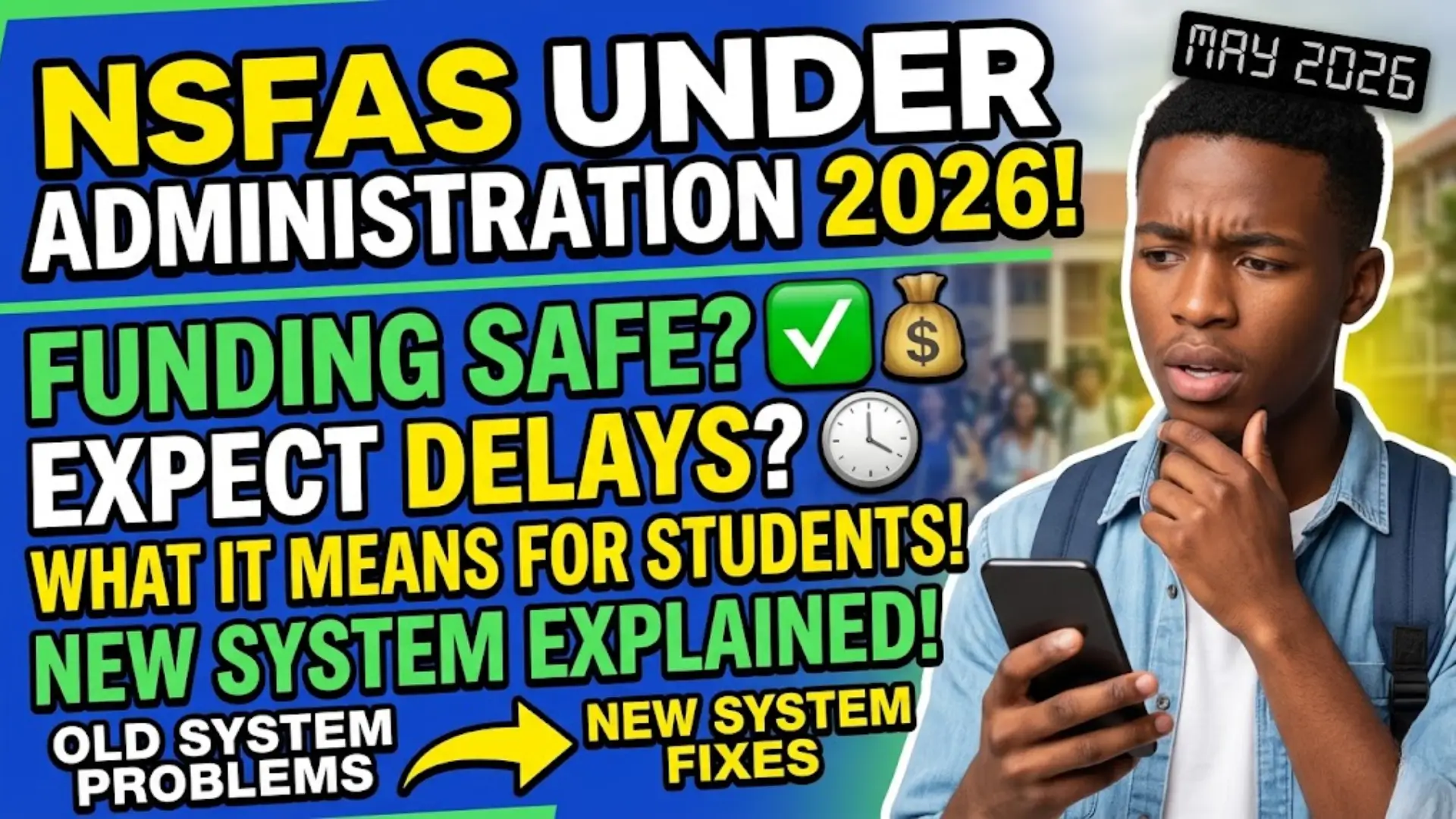
The recent decision to place the National Student Financial Aid Scheme (NSFAS) under administration on 4 May 2026 has created uncertainty among students. While the move highlights serious internal problems, it also signals a major shift aimed at fixing long-standing issues. Understanding what has changed and what it means for students is essential.
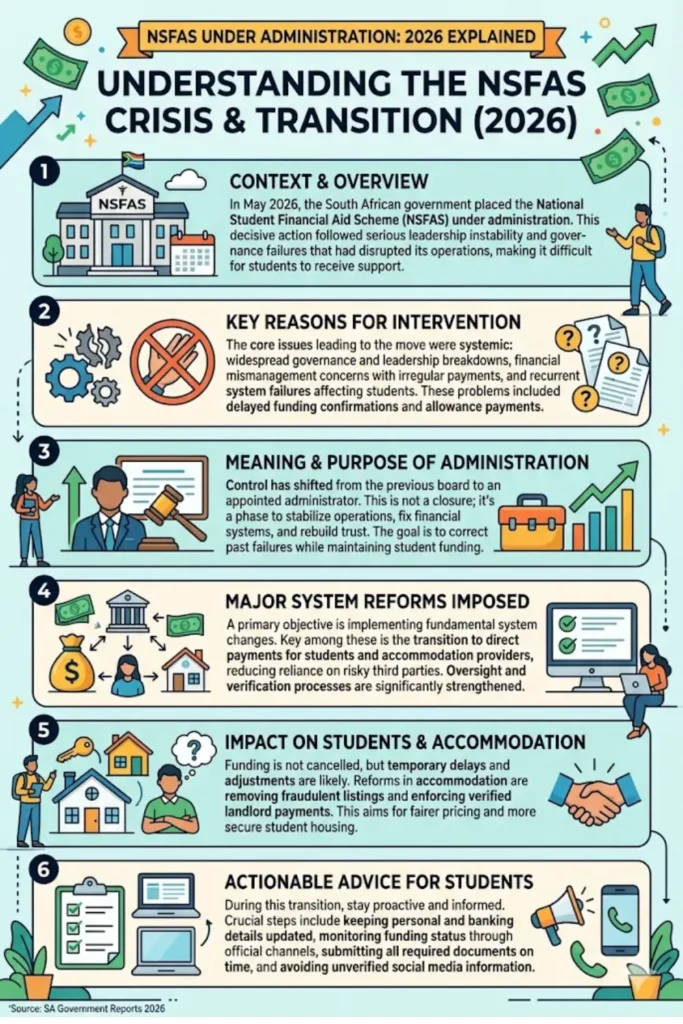
This article breaks down the situation in simple terms, focusing on real impacts, system changes, and what students should expect moving forward.
Understanding the NSFAS Crisis in 2026
The move to administration did not happen suddenly. It followed weeks of instability within NSFAS, mainly driven by leadership conflicts and governance failures. The organisation faced internal disagreements that affected its ability to function properly.
At the core of the crisis was a breakdown in leadership structure. Board members disagreed on key decisions, including the appointment of a CEO. These disputes created confusion and slowed down critical processes, ultimately affecting students who rely on funding.
In addition to leadership issues, concerns were raised about financial management and system reliability. Reports of weak controls and inefficiencies forced the government to step in before the situation worsened.
You can also read: SASSA Grants Payment Dates Release
What “Administration” Means for NSFAS
When NSFAS is placed under administration, control shifts from its existing leadership to an appointed administrator. This individual is responsible for stabilizing operations, fixing financial systems, and restoring order.
This does not mean NSFAS has shut down. Instead, it continues to operate under stricter supervision, with a clear focus on correcting past failures.
Key changes under administration include:
- Removal of board-level decision-making power
- Centralized control under one administrator
- Immediate review of financial systems
- Implementation of stricter oversight measures
The main goal is to rebuild trust and ensure that funds reach students without disruption.
Main Problems That Led to Government Intervention
The decision to intervene was based on several serious issues that affected both the organisation and students.
1. Governance and Leadership Breakdown
Internal conflicts made it difficult for NSFAS to function effectively. There was no unity in decision-making, and leadership disputes delayed critical actions.
- Board disagreements on strategy and operations
- Conflicts over executive appointments
- Lack of accountability within leadership
These problems created instability at the top, which filtered down into daily operations.
2. Financial Mismanagement Concerns
Financial systems within NSFAS showed signs of weakness. Investigations revealed inefficiencies and possible misuse of funds.
- Billions flagged in financial reviews
- Weak monitoring and control systems
- Irregular payment structures
One of the biggest changes now is the move toward direct payments, reducing the risk of misuse.
3. System Failures Affecting Students
Students experienced real challenges due to operational failures. These issues made it difficult for many to manage their studies.
- Delayed allowance payments
- Accommodation disputes
- Late funding confirmations
These disruptions played a major role in pushing the government to act quickly.
What Has Changed in the NSFAS System
The administration process has introduced several key changes aimed at improving efficiency and accountability.
New System Improvements
- Direct payments to students and accommodation providers
- Stronger verification processes
- Reduced reliance on intermediaries
- Better tracking of financial transactions
These changes are designed to make the system more transparent and reliable.
Old System vs New System
| Aspect | Old NSFAS System | New NSFAS System (Under Administration) |
|---|---|---|
| Payment Method | Through third parties | Direct payments to students/providers |
| Financial Oversight | Weak and inconsistent | Strict and monitored |
| Leadership Structure | Board-controlled | Administrator-controlled |
| Fraud Risk | High | Reduced through verification |
| Student Experience | Delays and confusion | Improving but transitional delays |
How Students Are Affected Right Now
For students, the most important concern is whether funding will continue. The answer is yes—funding has not been cancelled.
However, the transition period may bring temporary challenges. While the system is being fixed, some delays and adjustments are expected.
Current Student Impact
- Funding approvals remain valid
- Payments may be delayed during system updates
- Accommodation processes are being reviewed
- More document verification may be required
Students should remain patient but proactive during this period.
Accommodation and Payment Reforms
Accommodation has been one of the most problematic areas within NSFAS. Issues such as overcharging and fake listings have affected many students.
The new system aims to correct these problems by introducing stricter controls.
Key Improvements in Accommodation
- Payments only to verified landlords
- Elimination of fraudulent listings
- Transparent pricing structures
Payment System Changes
- Direct deposits into student accounts
- Improved tracking of allowances
- Reduced chances of payment errors
These reforms are expected to protect students and ensure fair access to housing.
You can also read: NSFAS Under Administration in 2026
What Students Should Do During This Transition
Students play an important role in ensuring they continue to receive support without issues. Staying informed and prepared can make a big difference.
Important Actions to Take
- Keep personal and banking details updated
- Submit all required documents on time
- Monitor funding status regularly
- Report issues immediately to the institution
Things to Avoid
- Relying on unverified social media information
- Ignoring official communication
- Delaying document submissions
Being proactive can help students avoid unnecessary delays.
Expected Benefits of the New System
Although the current situation may seem unstable, the long-term goal is to create a stronger and more reliable NSFAS system.
Potential Positive Outcomes
- Faster and more reliable payments
- Reduced corruption and fraud
- Improved transparency in funding
- Better accountability within the system
These improvements could significantly enhance the student experience in the future.
Challenges Students May Still Face
While improvements are expected, some challenges may continue during the transition period.
- Temporary delays in payments
- Increased verification requirements
- Adjustment to new systems and processes
Understanding these challenges can help students prepare and respond effectively.
Conclusion
The placement of NSFAS under administration marks a turning point. It reflects deep-rooted problems but also a strong effort to fix them.
You can also read: South Africa Jet Fuel Price Increase
For students, the key message is clear: funding continues, but the system is being rebuilt. While the transition may bring short-term disruptions, it also opens the door to a more stable and transparent future. Staying informed, prepared, and patient will help students navigate this period successfully.